Aligning Municipal Performance Across a Restructured District Model
The municipality of a large, fast-growing Gulf city, responsible for municipal services, urban planning and the upkeep of public spaces. As part of a city-wide transformation programme aligned with its country’s national vision, it has replaced its sub-municipalities with a smaller number of empowered districts, supported by neighbourhood offices that serve as residents’ first point of contact.
In this scenario, the municipality has moved to a new three-tier model: central agencies set strategy and standards, empowered districts run day-to-day operations, and neighbourhood offices handle customer service and community engagement. Leadership now needs to see how every district and office is performing against the transformation’s goals. If your organisation is restructuring how it delivers public services, this challenge may feel familiar.
THE CHALLENGE
A New Structure, Old Reporting Habits
Under the old sub-municipality structure, performance was reported in inconsistent local formats, so city leadership had no comparable view of service delivery across neighbourhoods. The new districts each take on areas once covered by several sub-municipalities, and need a performance hierarchy in place quickly to be held accountable for them.
The new neighbourhood offices collect residents’ requests and feedback, but have no established way to feed that information into district and city-wide reporting. Service quality indicators, such as cleanliness, maintenance response times and public space upkeep, are tracked separately from the transformation programme’s objectives.
The municipality also needs to show measurable progress on operational efficiency and resident satisfaction against national targets, yet nothing connects daily operations to those targets. Coordination between central agencies and the districts still depends on periodic meetings rather than a shared, continuously updated view of performance.
The underlying problem is the lack of one framework connecting the transformation’s goals to every district, office and service.
THE SOLUTION
One Framework Across All Three Tiers
The municipality needs more than new reporting templates. It needs the new three-tier structure reflected in how performance is defined, collected and reviewed, from city-wide goals to each neighbourhood office. Kippy does that in six ways:
- Organisation. TCentral agencies, operational districts and neighbourhood offices are mapped into one organisational hierarchy.
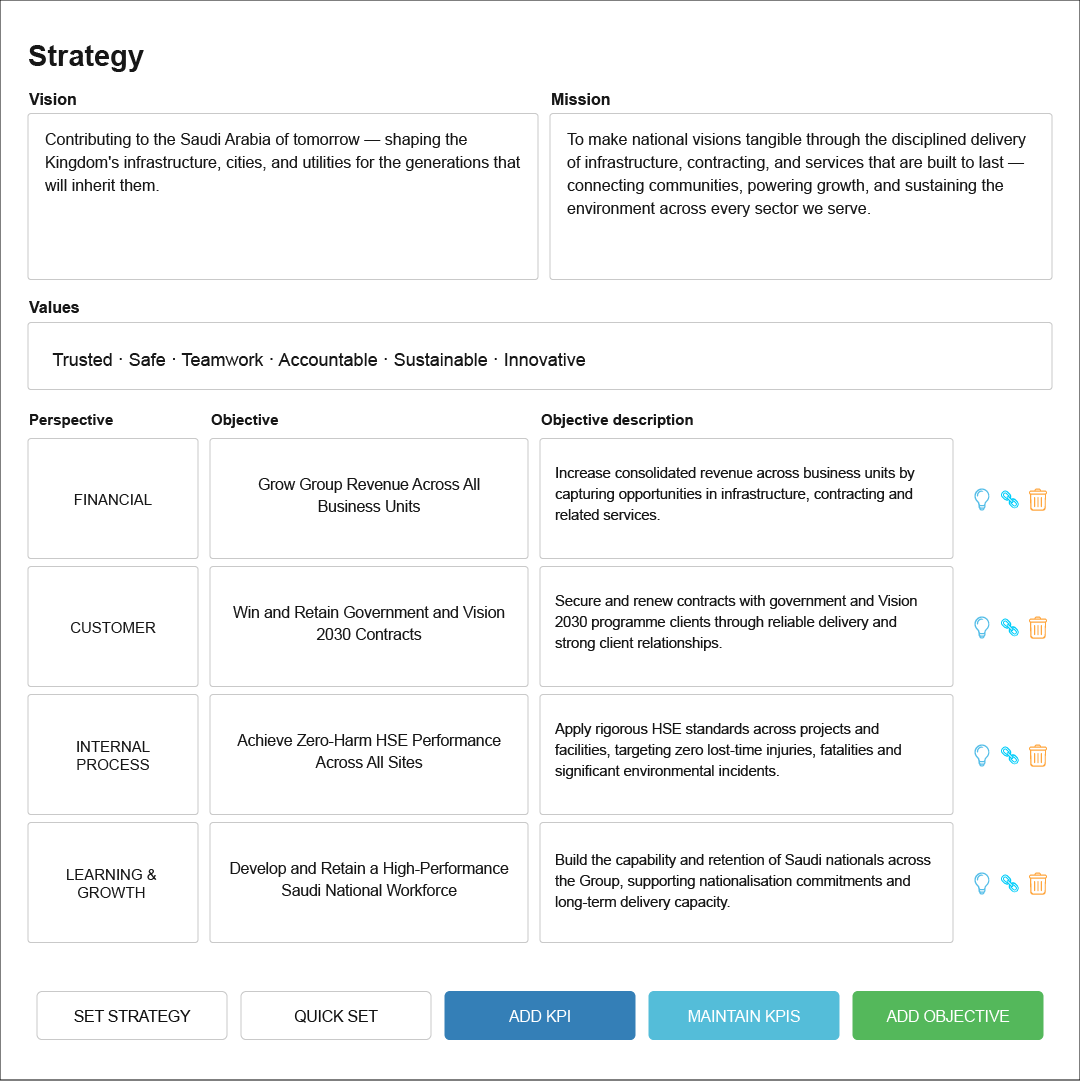
- Cascading. Transformation objectives cascade to district targets and on to neighbourhood office commitments for customer service and engagement, creating a documented line from national goals to local delivery.
- KPI Definition. Service quality measures, such as cleanliness, maintenance response times and public space upkeep, have one standard definition across every district.
- KPI Check-ins. Districts and neighbourhood offices submit service and resident feedback data on a consistent schedule, feeding district and city-wide scorecards.
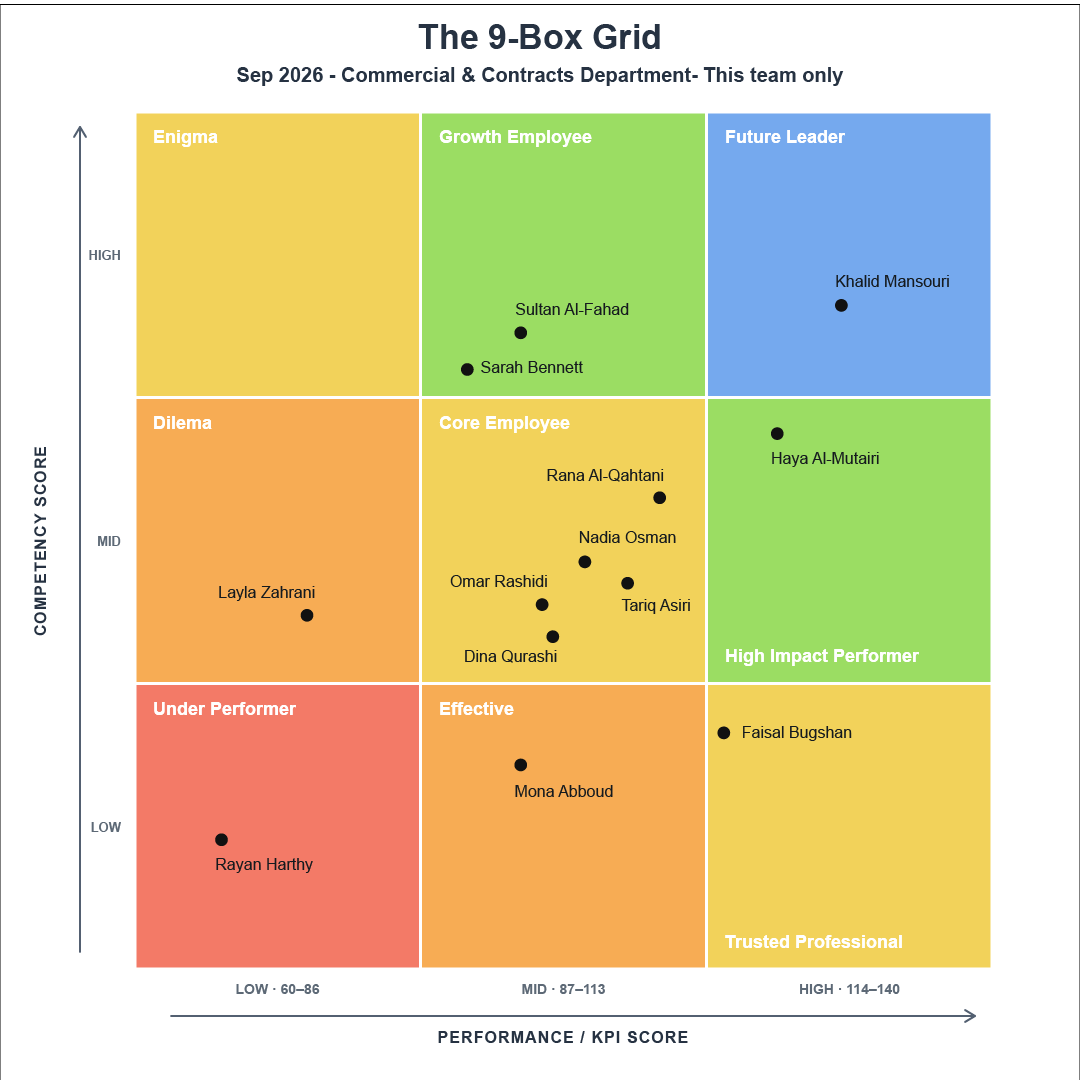
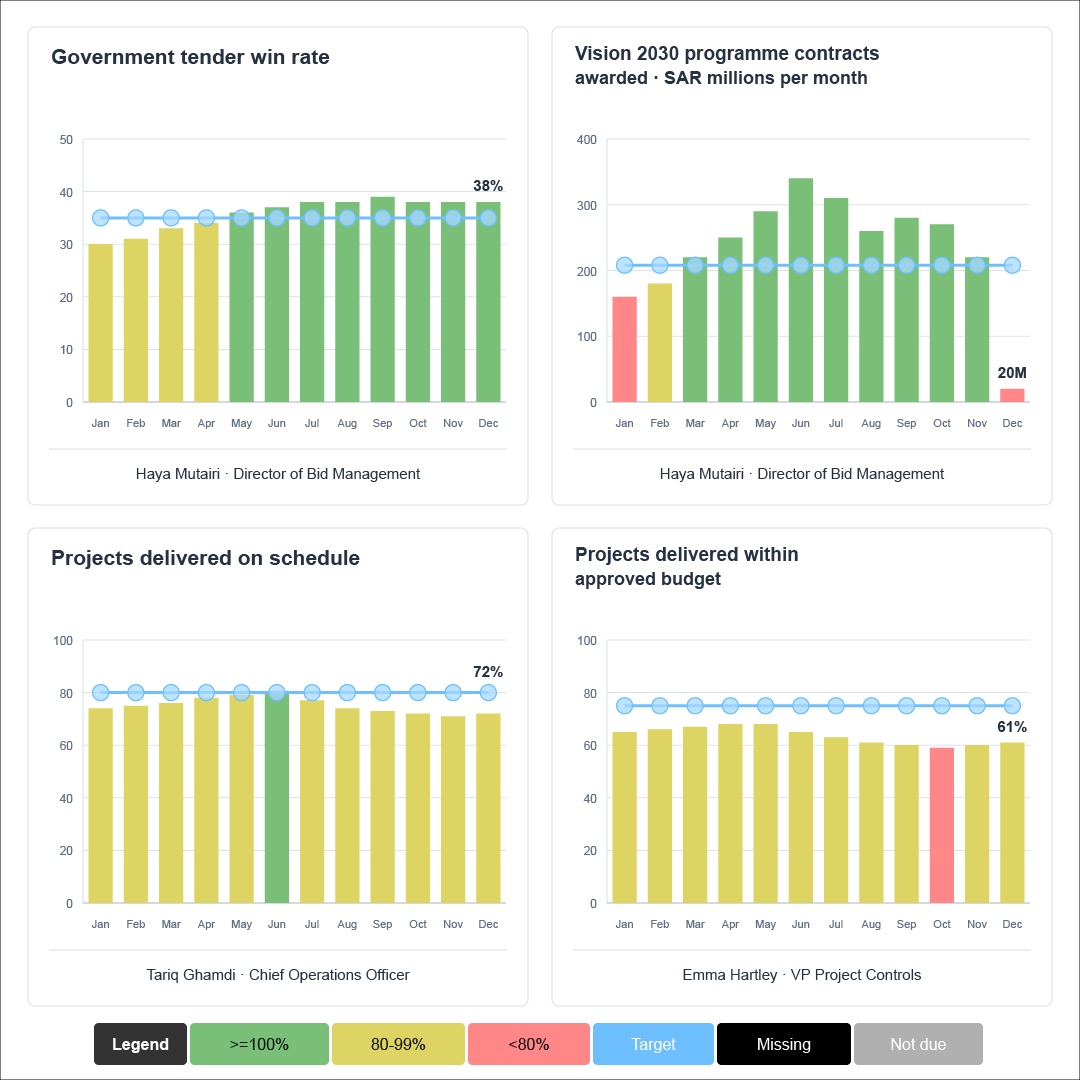
- Scorecards and Dashboards. Central agencies see performance across all districts in one consolidated view.
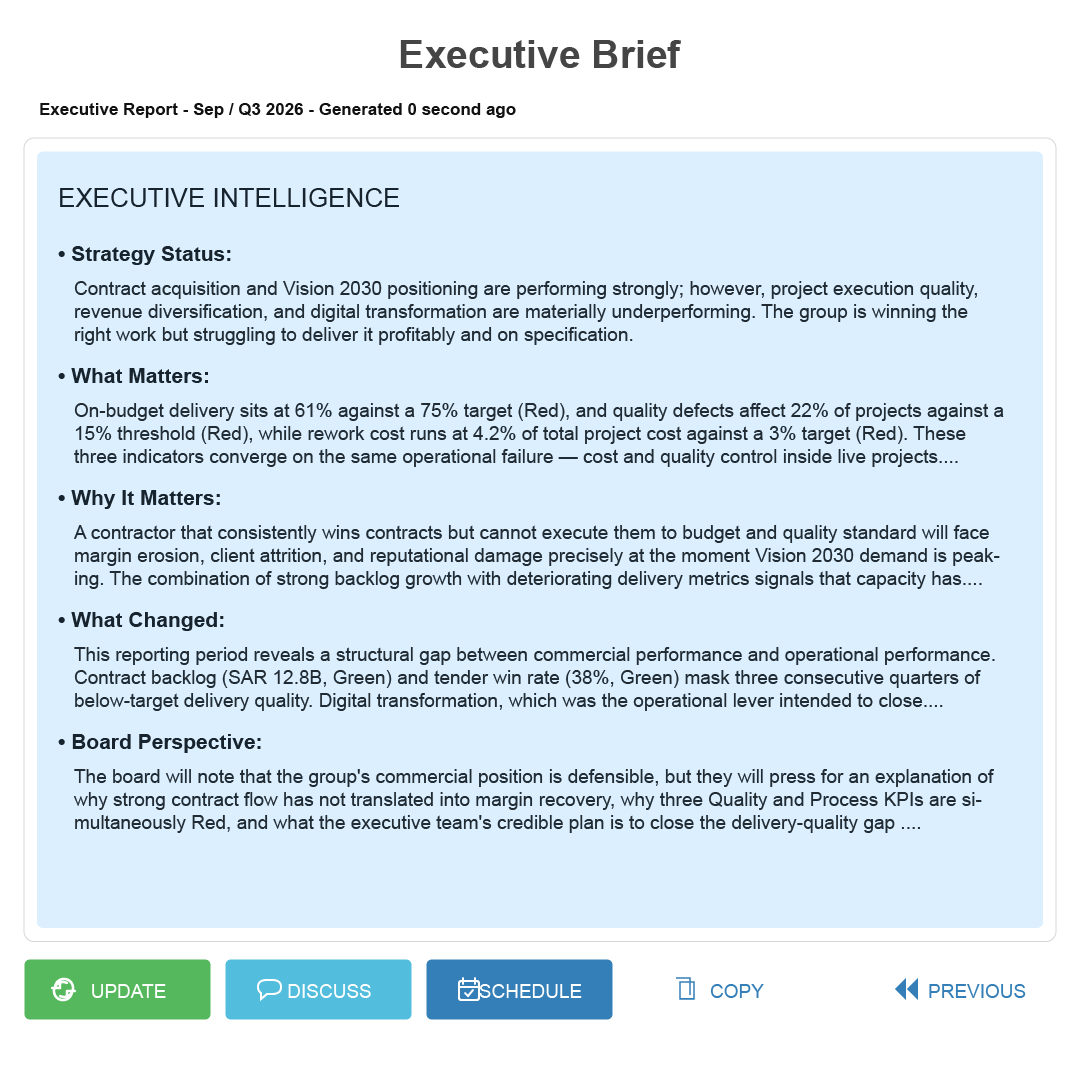
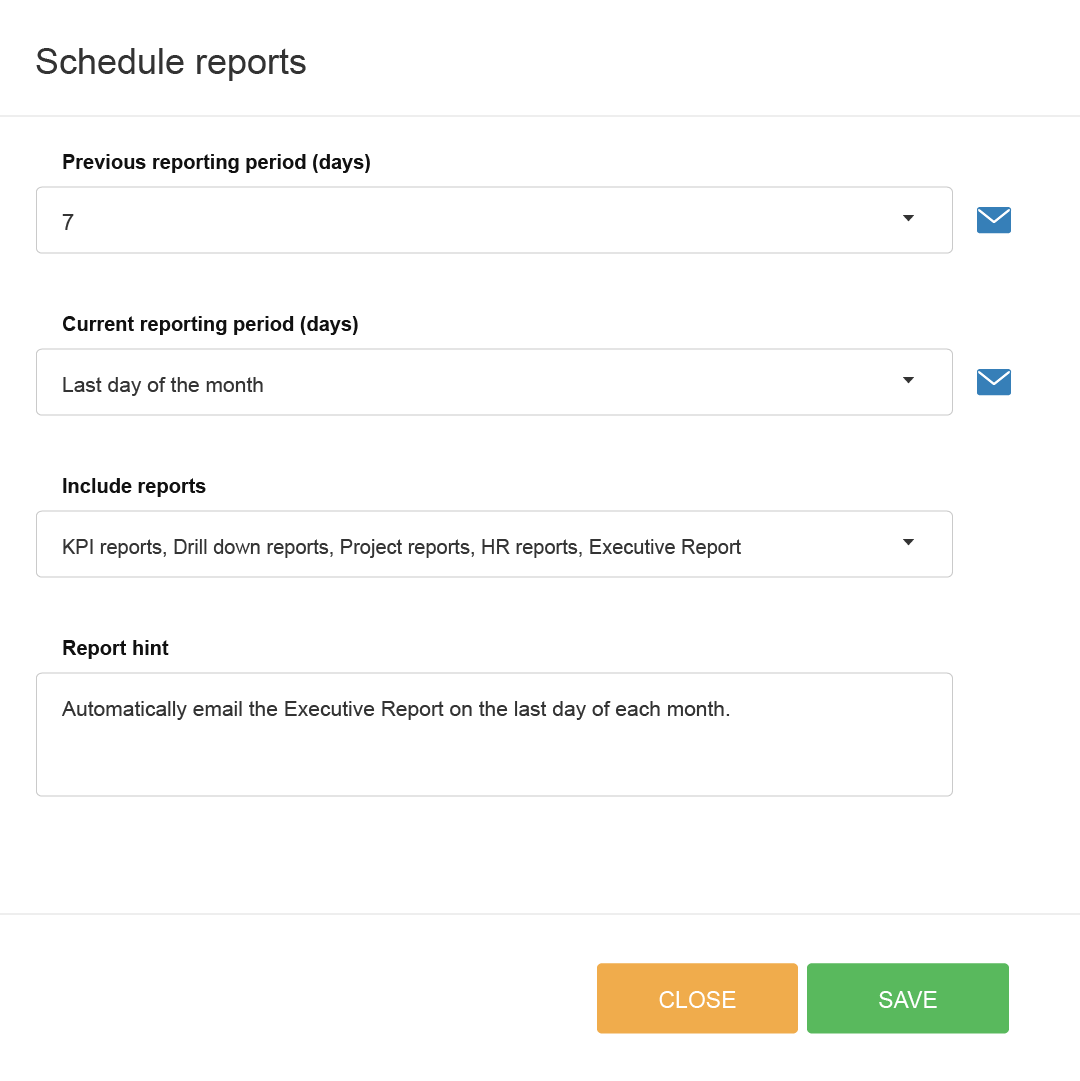
- Scheduled Reporting. Progress reports on the transformation's national targets are compiled automatically from data already captured in the districts and offices.
Together, these six capabilities create a single performance management framework across all three tiers. Rather than treating central agencies, operational districts and neighbourhood offices as separate reporting layers, Kippy connects their objectives, measures and results within one system. This creates a clear line of sight from transformation priorities at the national level to targets at the district level and commitments at the neighbourhood level.
The result is a more consistent and transparent approach to performance management across the municipality. Leadership can monitor progress through consolidated scorecards and dashboards, while districts and neighbourhood offices can manage their own performance using standardised measures and reporting cycles. By bringing data from every tier into one framework, Kippy helps ensure that local service delivery remains aligned with broader transformation goals and that progress can be reviewed using reliable, comparable information.
"When every level works from the same priorities, measures the same outcomes, and sees the same picture, performance becomes more than reporting. It becomes a shared path from strategy to impact."
John Doe
THE RESULTS
Every District Measured the Same Way
With Kippy in place, every district reports against the same service quality definitions, and central agencies see performance across the city in one dashboard. This setup enables:
-
A current view of neighbourhoods.
Regular submissions from districts and neighbourhood offices give district leadership a continuously updated picture of local delivery and resident feedback.
-
Fewer coordination meetings.
A shared dashboard reduces reliance on periodic meetings between central agencies and districts.
-
Service quality linked to strategy.
Cleanliness, maintenance response times and public space upkeep sit alongside the transformation's objectives rather than in separate reports.
-
Less manual progress reporting.
National progress reports draw directly from operational data instead of manual collation.
-
Traceable accountability.
The cascade from city-wide objectives to district targets and neighbourhood office commitments is documented across all three tiers.
"Together, these changes help leadership confirm that the new structure has not left gaps in service oversight, while each district adapts services to its own neighbourhoods."
John Doe
SUMMARY
One City, One Performance Language
For a municipality moving to a decentralised district model, Kippy provides one framework linking the transformation’s goals to every district, neighbourhood office and service. Neighbourhoods can be compared on common terms, coordination becomes continuous rather than meeting-driven, and progress towards national targets is backed by operational data.
See How Kippy Would Work Across Your Business
In a 30-minute online demo, we’ll show you:
- See your company’s objectives and KPIs in Kippy.
- Discuss your requirements and how Kippy can fit them.
- Review your options for setup, integrations and rollout.