Managing Brand Performance Across a Multi-Brand Franchise Portfolio
A leading international brand franchise operator, running dozens of global brands across fashion, food, beauty and leisure, through stores, cafés, restaurants and online channels in many markets.
In this scenario, the group operates thousands of locations under franchise agreements with global brands, each of which sets its own standards and reporting requirements. It is also adding new brands and entering new markets every year. Leadership needs to see the whole portfolio in one view and decide where to invest, without overriding what each brand requires. If your organisation runs several brands or franchises side by side, this challenge may feel familiar.
THE CHALLENGE
Dozens of Brands, Dozens of Scorecards
Each brand reports performance in the structure its franchisor sets, so the group runs dozens of parallel reporting frameworks with no common language for judging the portfolio as a whole. Store data rolls up to brand level but not into a portfolio view, so the group cannot spot patterns across brands or allocate resources by portfolio-wide priorities.
Proposals for new brands and new markets come with brand-specific business cases built on different financial assumptions, which makes them hard for the executive committee to compare. Meeting franchisor compliance requirements takes a lot of store managers’ time, but the group cannot tell whether that effort is linked to better commercial results.
Seasonal hiring, training and deployment across thousands of locations must be coordinated between brands and countries with different peak periods. And the group wants to add its own operational excellence standards on top of each brand’s customer experience requirements, without contradicting them.
The underlying problem is the lack of one framework that respects each brand’s requirements while connecting the whole portfolio to group strategy.
THE SOLUTION
A Group Layer Above Every Brand
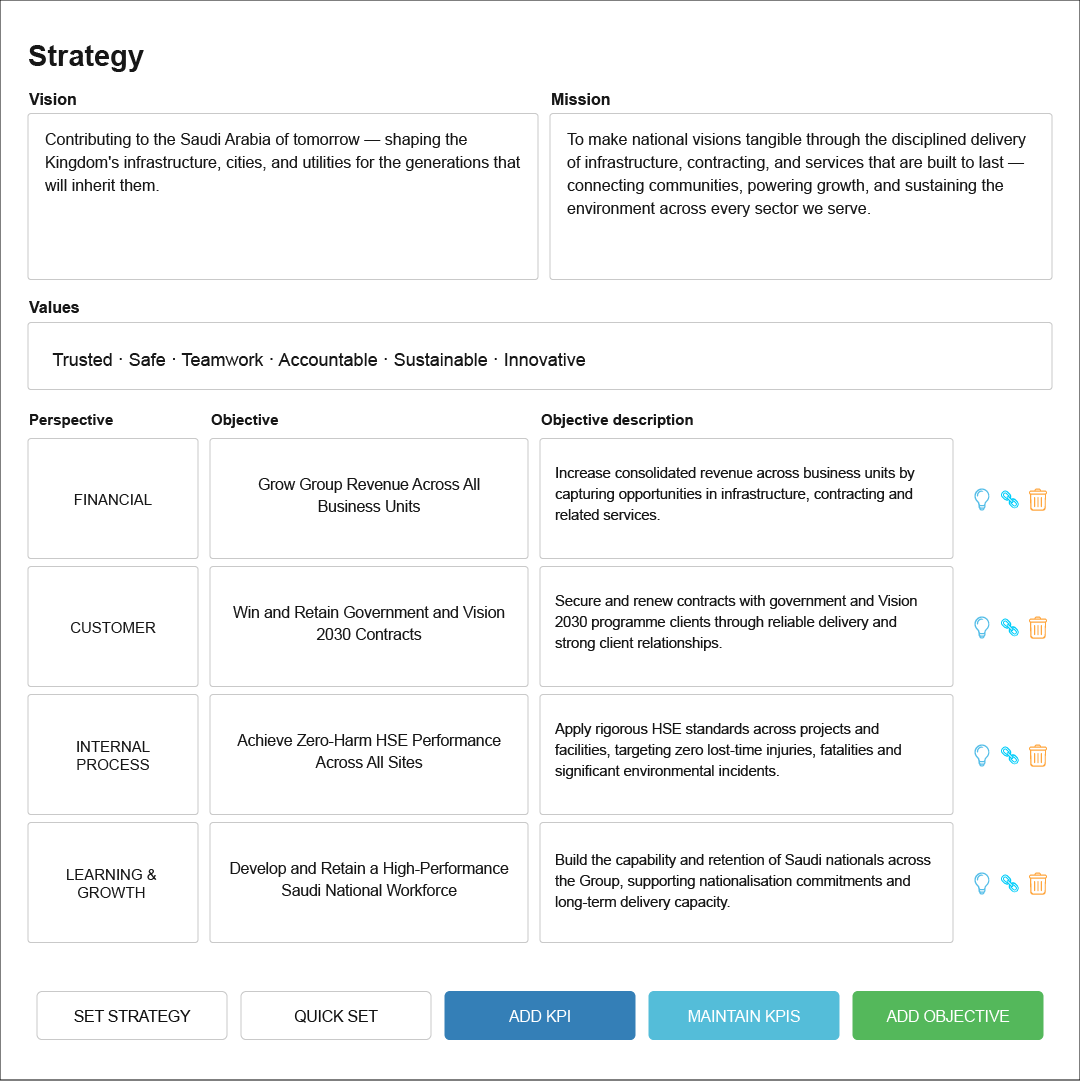
The group needs more than another consolidated report. It needs a common layer above the brands that lets leadership compare and steer the portfolio, while every brand keeps the measures its franchisor requires.
- Brand KPIs kept, group view added. Each brand keeps its franchisor-defined KPIs, and a common strategic layer on top enables portfolio-level governance.
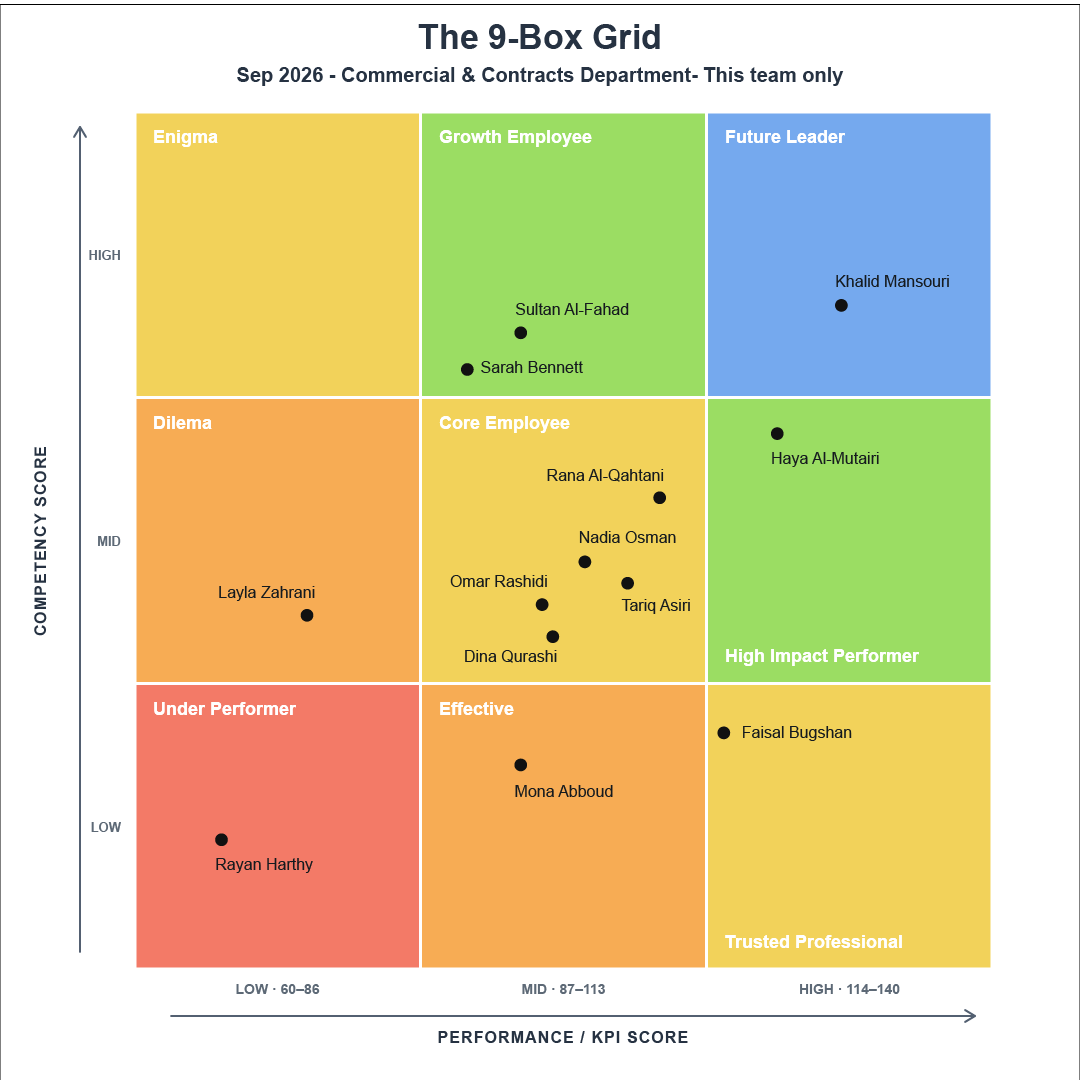
- Patterns across the portfolio. Portfolio reports draw on every brand's scorecard, so the executive committee can see cross-brand patterns and decide where to allocate resources.
- Comparable expansion proposals. Business cases for new brands and markets use the same financial assumptions, so opportunities can be compared fairly.
- Compliance linked to results.Franchisor compliance status sits alongside commercial performance, showing where compliance effort pays off.
- Seasonal staffing planned together.Recruitment, training and deployment are coordinated across brands and countries as one project, with milestones for each phase.
- One view for store managers.Franchisor and group standards appear together, so managers can see everything they are expected to meet in one place.
THE RESULTS
One Portfolio View, Every Brand Respected
With Kippy in place, the executive committee reviews the whole franchise portfolio through one framework, while each brand keeps its franchisor-defined KPIs. This setup enables:
-
Portfolio-wide resource decisions.
Cross-brand patterns become visible, so investment decisions consider the whole portfolio, not one brand at a time.
-
Better expansion choices.
New brand and market proposals are judged against the same assumptions, rather than each brand's own optimism.
-
Smarter compliance effort.
Seeing compliance next to commercial results shows where effort delivers the strongest return.
-
Less competition for seasonal staff.
Coordinated planning reduces the inefficiency of brands competing for the same people in the same market.
-
Simpler work for store managers.
One view of franchisor and group requirements reduces the burden of juggling several sets of standards.
Together, these changes let the group manage its brand mix, market coverage and expansion as one strategy, while keeping every franchise partner’s standards intact.
SUMMARY
Many Brands, One Strategy
For a franchise group running dozens of global brands across many markets, Kippy provides a group layer that connects every brand and store to portfolio strategy, without overriding what each franchisor requires. Leadership can compare brands, judge new opportunities consistently and focus effort where it counts.
See How Kippy Would Work Across Your Business
In a 30-minute online demo, we’ll show you:
- See your company’s objectives and KPIs in Kippy.
- Discuss your requirements and how Kippy can fit them.
- Review your options for setup, integrations and rollout.